posit::glimpse() Newsletter – March 2026

Welcome to our newsletter, posit::glimpse()!
If you’re currently reading this on our blog, consider subscribing to Stories on our subscription page to receive this newsletter directly in your inbox.
Welcome to posit::glimpse(), our roundup of the most important news for Posit’s open source community! I’m Isabella, the new editor for Glimpse. 😎
If you’re still catching up on the many updates from the February edition of Glimpse, we totally understand! We’ve now made the switch to a monthly, more concise format. Below, you’ll find everything new since the last newsletter.
Registration for posit::conf(2026) is now open!
Registration is officially open for posit::conf(2026)! Join the global data community in Houston or tune in online from September 14–16. Register (for in person or virtual) today!
We are also offering 40 Opportunity Scholarships for members of groups that are traditionally underrepresented in the data science and open-source communities to join us. Applications close March 20.
Key product updates and new releases
Posit AI
Introducing Posit AI, a new, paid service from Posit. The Posit Assistant conversational agent optionally integrates directly into the RStudio IDE (Positron support coming soon), using live session context, including loaded packages and environment variables, to perform data visualization, debugging, and complex transformations.
- Read more in the Introducing AI in RStudio blog post.
- Get started with the documentation.
Positron v2026.03.0-212
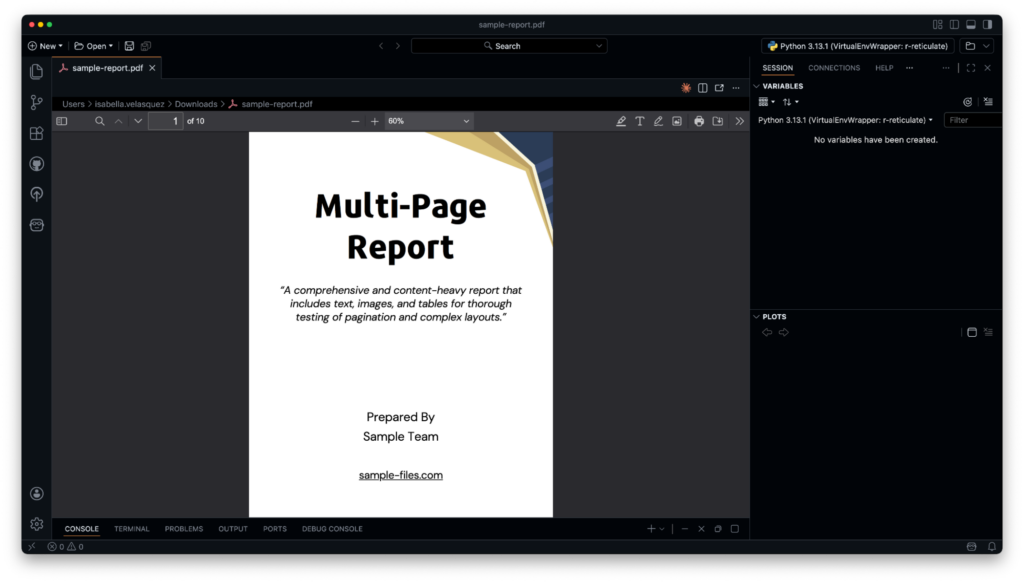
Positron, our new IDE for data science, now includes a built-in PDF viewer.
In addition, you can now step through code in R scripts and Quarto documents. Code above a syntax error executes reliably, while code below a syntax error is flagged.
- Read more in the release notes.
- As a reminder, Jupyter Notebooks are now supported natively in Positron! The latest release adds the ability to show or hide individual cell outputs and more. Join our free workshop where we’ll dive into a dataset and move from Exploration to Production using the Positron Notebook Editor.
mirai v2.6.0
mirai, R’s async and parallel computing framework, hits v2.6.0 on CRAN. New HTTP API support makes deploying to enterprise platforms seamless, and Posit Workbench is auto-configured out of the box. Under the hood, the scheduler has been reimplemented in C, roughly halving its overhead, keeping coordination fast across thousands of tasks and dozens of machines.
- Read more in the mirai v2.6.0 blog post.
- Curious about mirai, but new to asynchronous programming? Join us with mirai author Charlie Gao on Tues April 14 at 12PM ET to get a friendly introduction. Register at pos.it/dslab
Quarto v1.9
Quarto v1.9 is available for download now, with more options for you when creating reproducible documents with R and Python. We have a host of Typst improvements as well as introducing new features for PDF accessibility and standards.
- Keep an eye out on the Quarto blog for more posts on the new release.
If you use #QuartoPub for any PDF documents for teaching and you need to meet impending PDF accessibility rules, upgrade to v1.9, add format: typst: pdf-standard: ua-1 to the YAML front matter, and it'll work!
— Andrew Heiss (@andrew.heiss.phd) March 9, 2026 at 1:26 PM
Great Tables v0.21.0
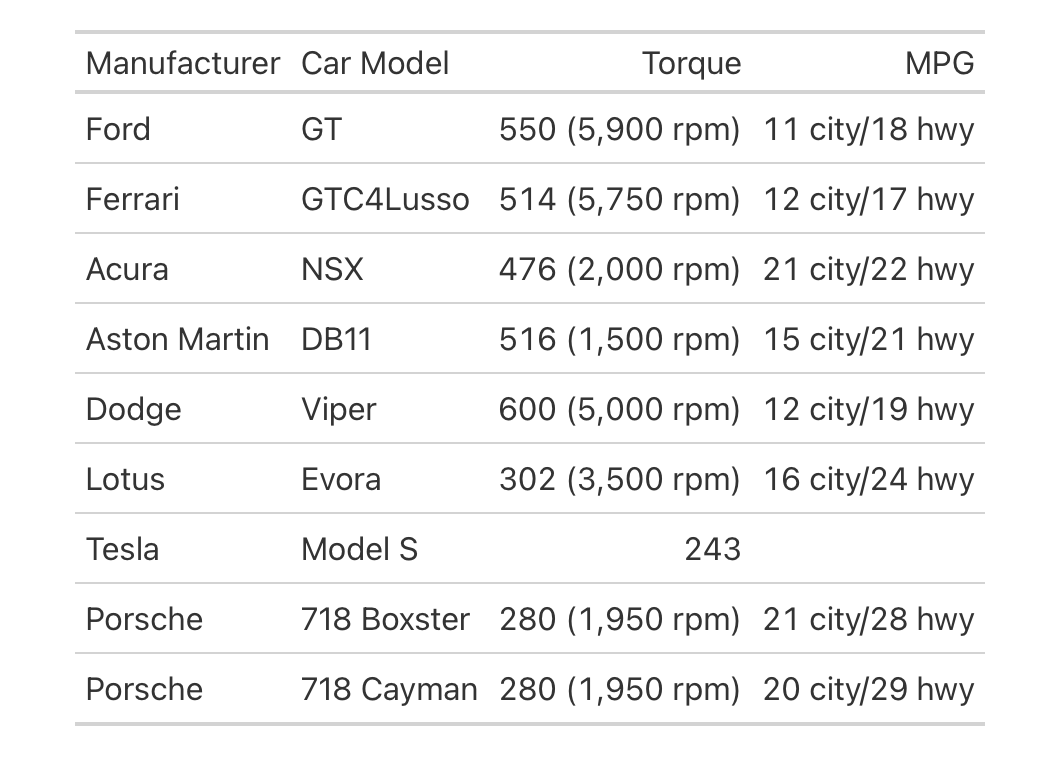
With Great Tables, you can create beautiful, publication-ready tables with Python. The latest release introduces several new features. An example of an exciting, new method is the `cols_merge()` method, which allows you to concatenate cells into a single cell!
- Read more in the Great Tables v0.21.0 release notes.
Pointblank for Python v0.22.0
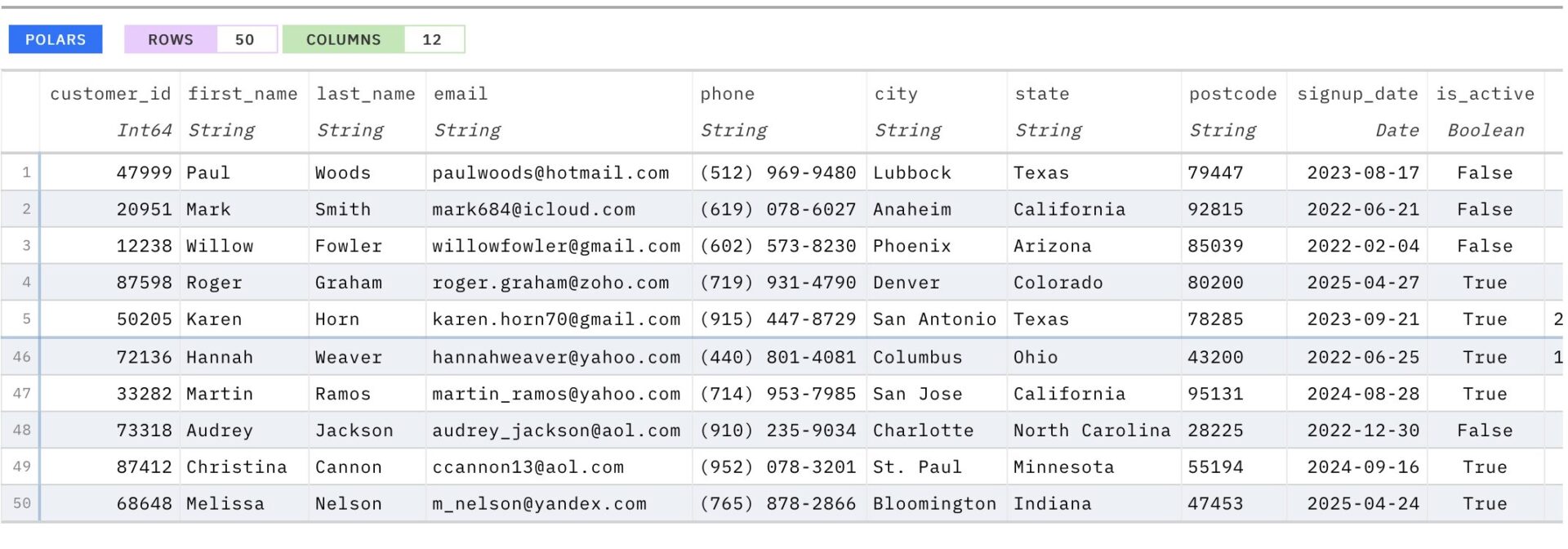
Pointblank is a data validation framework for Python that makes data quality checks beautiful, powerful, and stakeholder-friendly. The latest release includes a data generation engine where users define a Schema with field-specification functions and produce rows of synthetic data as Polars or Pandas DataFrames.
- Read more in the Building realistic fake datasets with Pointblank blog post.
- If you’re new to Pointblank, Arnav Patel gave an excellent talk on it at posit::conf(2025).
gander v0.2.0
gander provides quick, granular AI assistance with R code. The v0.2.0 release improves performance in Quarto documents.
- Read more in the release notes and see it in action below:
Learning and community
The Prolific Output of Wes McKinney in the Age of Agentic Engineering
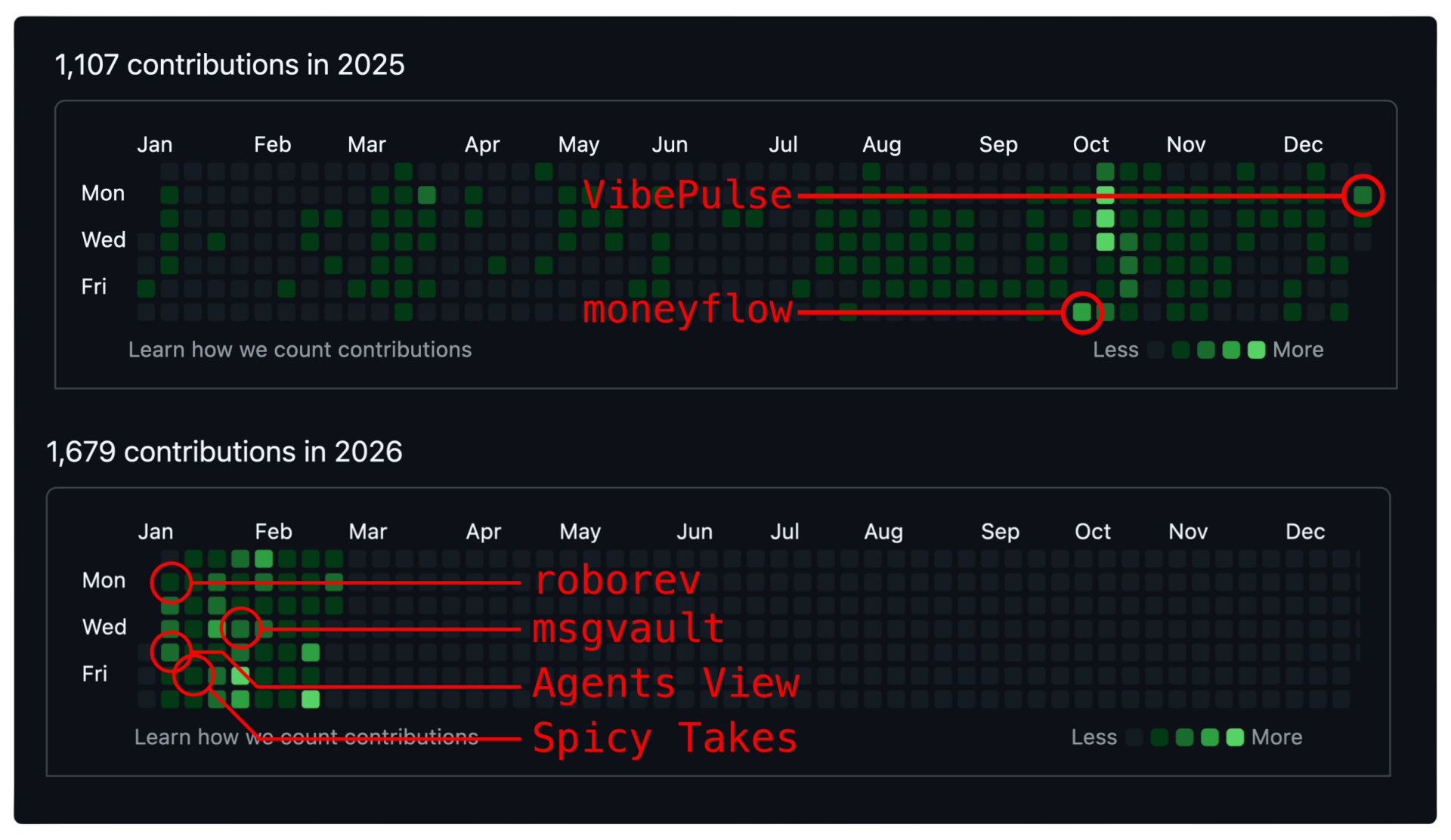
Wes McKinney, creator of the pandas Python library, is shipping open source projects faster than ever, using AI coding agents to build across Python, Go, Swift, and Rust… and he’s having more fun than he’s had in years! Rich Iannone breaks down Wes’ prolific run and how AI is turning “impossible” side projects into weekend realities.
New cheatsheet alert
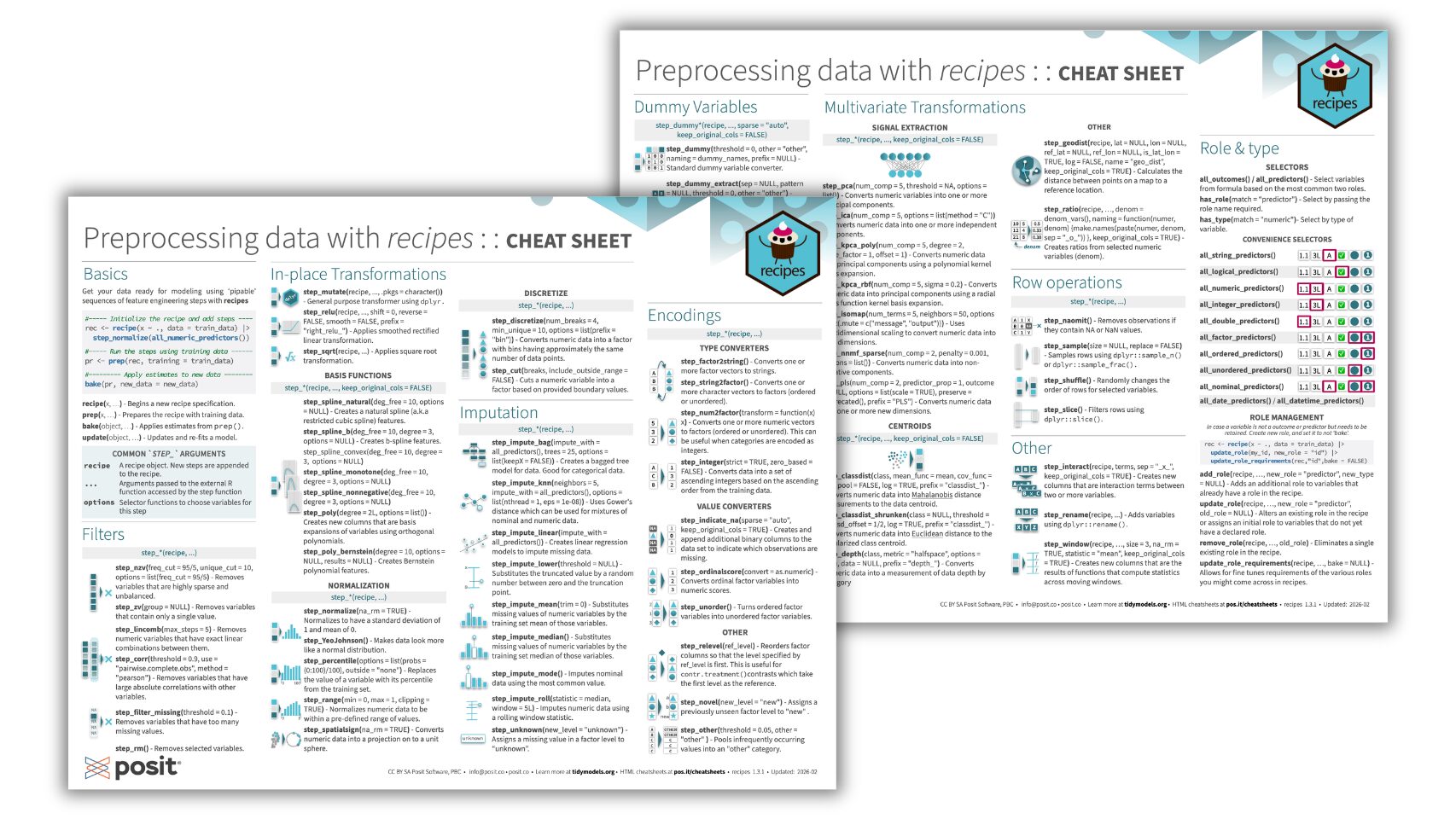
Edgar Ruiz just published a recipes cheatsheet, the very first cheatsheet for tidymodels! Find it and other cheatsheets on the Cheatsheets website.
Claude Code at the Data Science Lab
Have you ever used Claude Code before? Come watch it in action during the Data Science Lab with Joey Marshall on March 17 at 12pm ET. Register (and see other upcoming topics) at: pos.it/dslab
Stay connected
Want more updates like this? Sign up for posit::glimpse() by subscribing to Stories on our subscription page to receive the latest news on Quarto, Shiny, Tidyverse, and all of Posit’s open source tools.
Follow us on Bluesky, LinkedIn, and Mastodon to see our announcements.
Try this piece of trivia out: The first two principles of tidy data are: each variable goes in a column. Each observation goes in a row. What is the third?
Each value goes in a cell. From: https://www.jstatsoft.org/article/view/v059i10