Banking & Financial Services
AI-ready analytics for financial services
Build and deploy risk models, fraud detection systems, trading analytics, and AI-powered applications in R and Python - with the audit trails, access controls, and model governance that GLBA, SOX, BSA/AML, and FINRA require.

Financial institutions that build with Posit


From days to hours: KBRA's shift to real-time credit modeling
Matt McDonald's quantitative modeling team at KBRA uses Posit to rapidly develop and deploy credit models, providing analysts with critical insights for informed rating decisions.

Develop and iterate in your environment
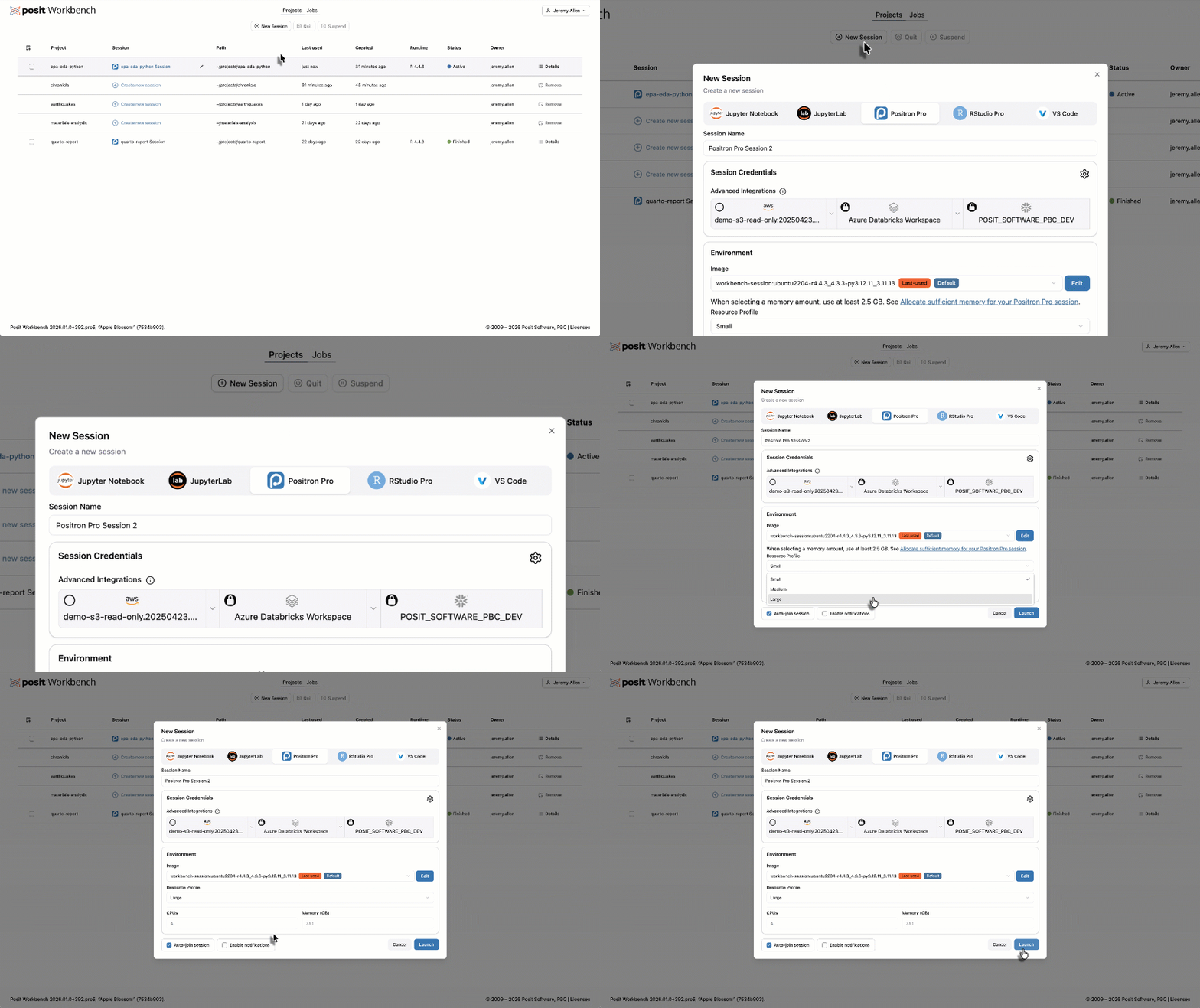
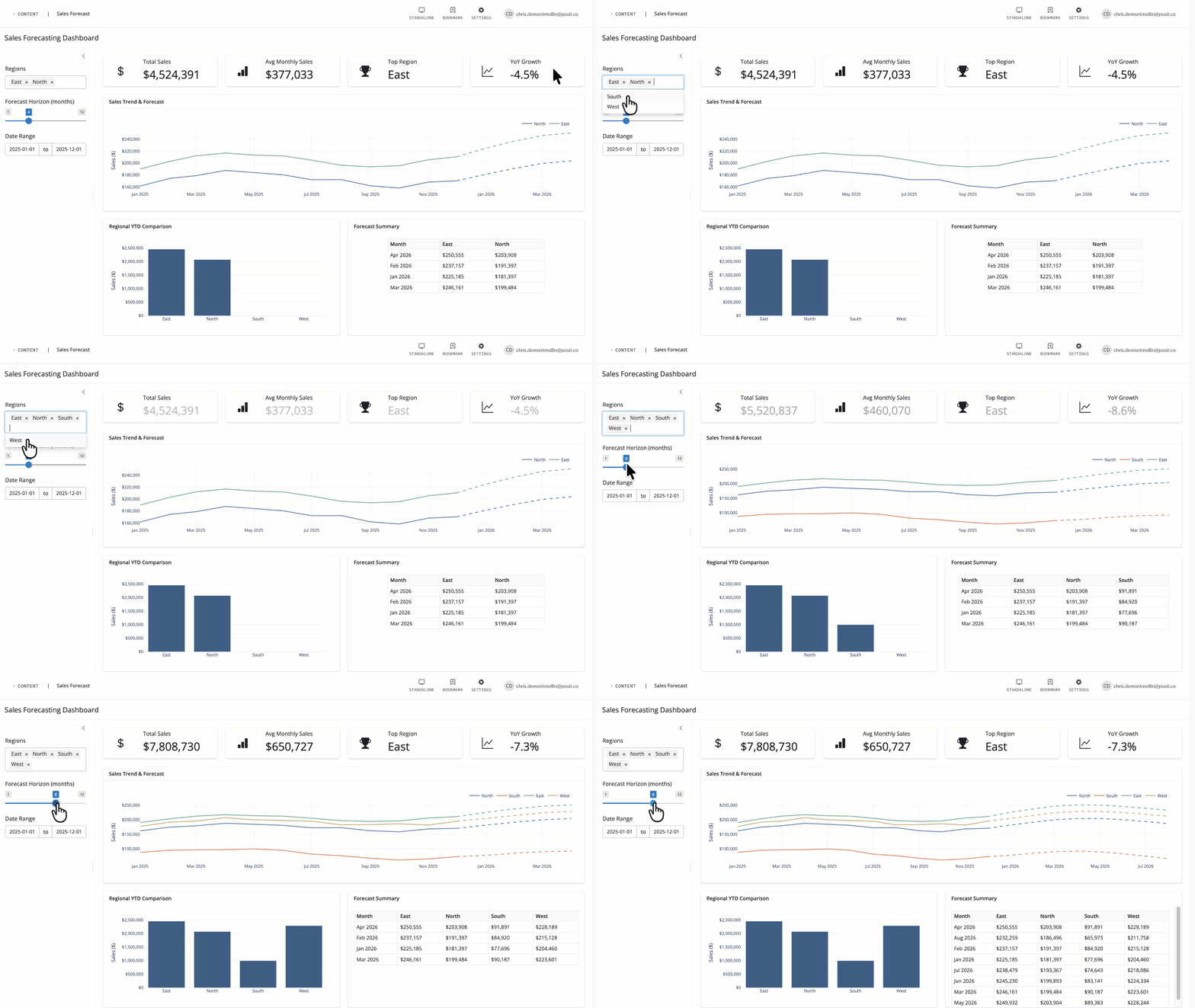
Work in the IDE you prefer like RStudio, VS Code, JupyterLab, or Positron. Access data wherever it lives, manage reproducible environments with renv or conda, and publish interactive Shiny, Streamlit, or Dash applications for fast stakeholder feedback.
Govern with confidence
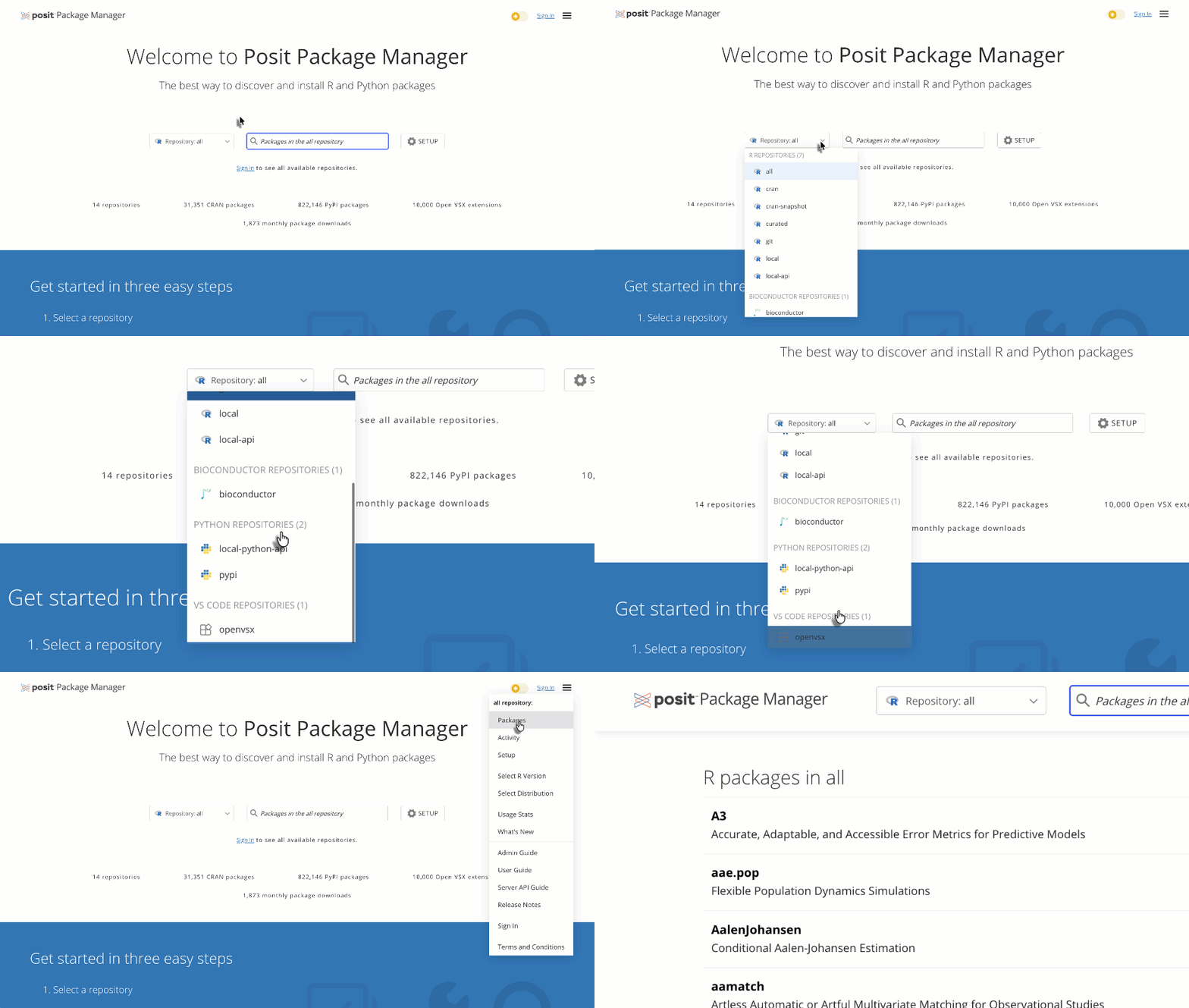
Maintain control across your data science infrastructure without slowing your team down. Manage SAML and OIDC single sign-on, validated package repositories, role-based access controls, and audit logs exportable to your SIEM meeting expectations for GLBA, SOX, BSA/AML, FCRA and FINRA compliance. All from a single admin interface built for regulated environments. Deploy on-premises, in your VPC, or on managed Kubernetes.
Reduce cost and complexity
Consolidate fragmented environments and replace high-cost MATLAB and proprietary BI license with a single governed platform built on open source R and Python. Right-size compute resources, keep your code portable, and if you ever move on, your work comes with you.
Proven results
Measurable outcomes at financial institutions
Data science teams at firms like these ship faster, automate more, and give stakeholders direct access to the analysis behind their decisions.
50% faster delivery
Trillium's trading team went from days-old reports to automated overnight delivery in six months.
Real-time stakeholder feedback
KBRA replaced static slide decks with interactive Shiny applications for credit model review.
600 hours saved per day
Gen Re automated underwriting workflows from 30 minutes to 5 minutes per case across 230 data scientists and actuaries globally.
Enterprise-scale data science
"Our insurance business in particular uses Posit Workbench. The rest of the bank tends to use JupyterLab quite a bit... and we have Posit Connect, which is where all these applications and front ends end up living."
— Mehran Moghtadai, Data Science Leader, TD Bank Group

Five essential models for data scientists in finance

Embracing open-source data science for smarter financial risk decision...

